


Published Date: June 20, 2026 | Target Audience: Global procurement managers, construction project buyers, bulk building material importers, Middle East & Southeast Asia project contractors

Introduction: Why You Keep Seeing Strange English Terms From Chinese Building Material Suppliers
If you have been cooperating with Chinese building material manufacturers for years, you must have noticed many odd English product names in quotation sheets, catalogs and product listings:light steel keel, cement additive, steel pipe fitting, ceiling board and more.
These expressions sound grammatically awkward to native English speakers and professional construction engineers. They are typical Chinglish (Chinese-style English), created by direct literal translation from Chinese product names.
Here is the key industry background you need to know: Over 70% of China’s building material exporters are small and medium-sized factories. Most of them lack professional foreign trade document writers and construction engineering translators. These incorrect literal translations have been widely used on B2B platforms, inquiry emails and product pages for more than 15 years. Gradually, these non-standard terms have become industry conventional slang in cross-border building material trade, even though they are never adopted in official global construction drawings, bidding documents and international engineering standards.
As a procurement manager, misunderstanding between Chinglish slang and formal standard English terms may lead to wrong product selection, mismatched project specifications, delayed site construction and even unnecessary order disputes.
This article lists the most frequently used non-standard building material terms from Chinese suppliers, matched with official industry standard English wording adopted by ASTM, Eurocode and Middle East local construction authorities. We also explain usage scenarios and communication tips to help you communicate with Chinese manufacturers more accurately and avoid project risks.
Core Term Comparison Table: Chinglish Slang VS Official Standard English
We categorize terms into your frequently purchased product lines: interior metal profiles, cement chemicals, structural steel, ceiling & drywall materials, covering all products mentioned in our Middle East reconstruction procurement blog.
| Widely Used Chinglish Term (From Chinese SMEs) | Official Standard English (Global Construction / Bidding / Drawing) | Detailed Explanation & Buyer Note |
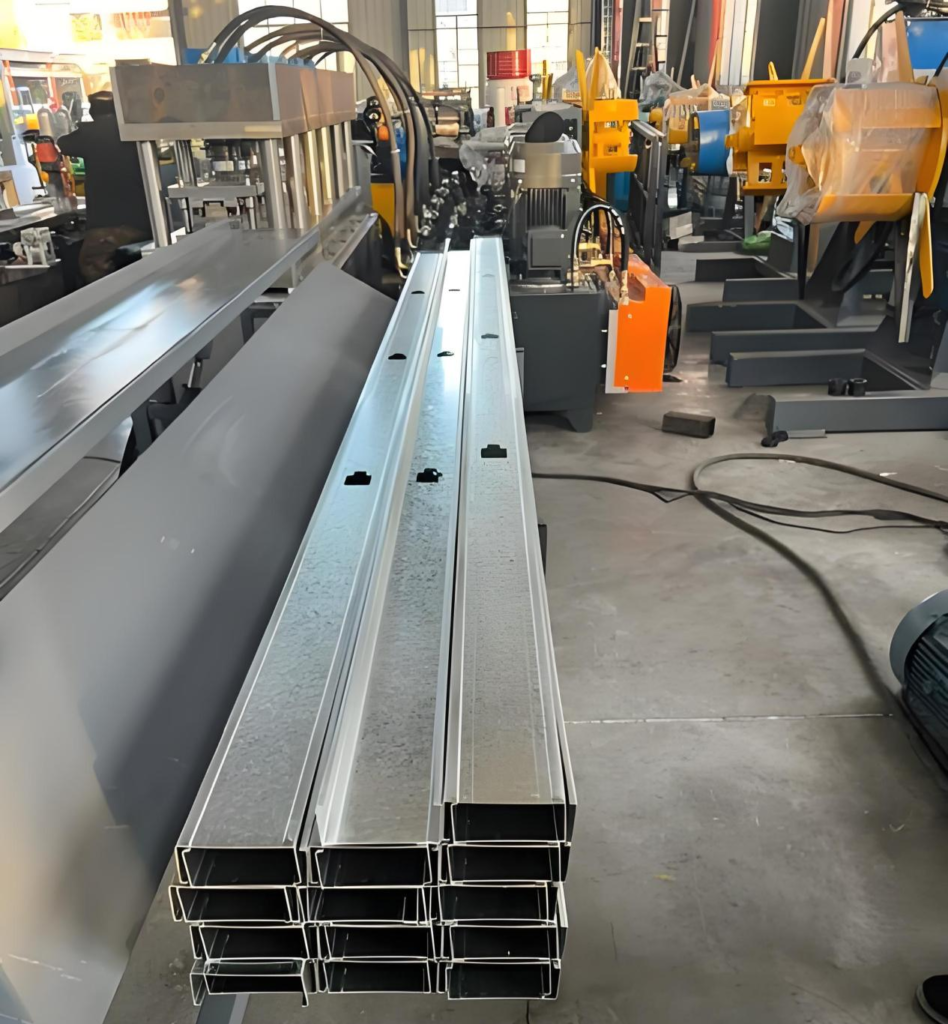
| Light steel keel | Light gauge steel furring / Furring channel | The most typical and widely seen Chinglish term. Literal translation of Chinese 轻钢龙骨. Never appears on official construction blueprints. All local engineering companies in the Middle East only recognize furring channels. However, 90% of Chinese suppliers still use light steel keel in daily emails. |
| Steel joist (misused as light gauge steel furring) | Steel furring | Most confusing lookalike term in steel framing trade. Steel joist shares similar profile shape with light gauge steel furring, leading to widespread visual misjudgment. However, steel joist is a critical load-bearing structural component, while furring channel serves only non-load-bearing decorative support. Mixing up these two terms will cause fatal structural safety risks on construction sites. |
| Cement additive | Concrete admixture / Cement admixture | Additive refers to minor additives for daily chemicals;admixture is the exclusive technical term for concrete chemical modifiers in construction industry. Wrong wording may cause confusion for third-party laboratory inspection reports. |
| Ceiling board | Ceiling panel / Suspended ceiling tile | Board usually describes large flat structural boards such as gypsum boards. Suspended ceiling materials for indoor decoration are uniformly called panels or tiles in commercial construction projects. |
| Steel section | Structural steel profile / Steel section profile | Simple and incomplete expression. Used commonly by small Chinese steel factories. Standard engineering documents require complete wording to distinguish structural steel from ordinary steel sheets. |
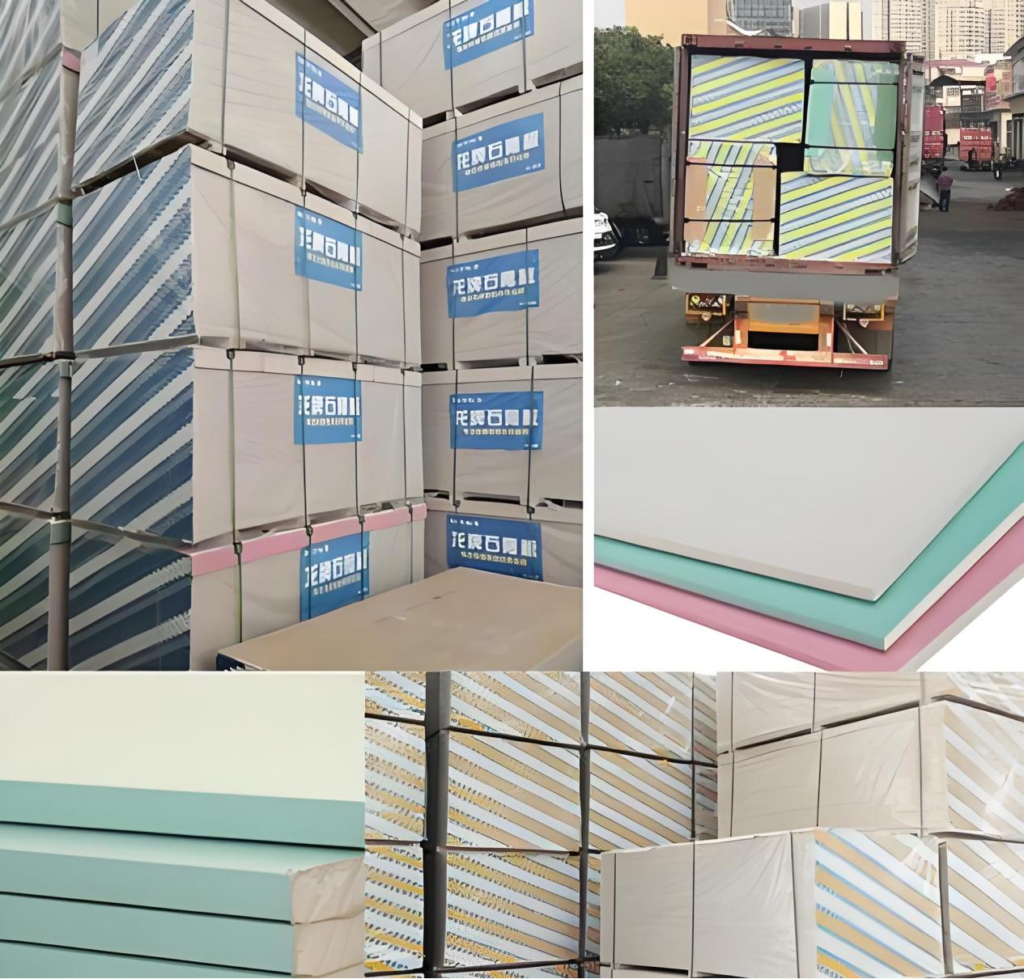
| Gypsum ceiling board | Gypsum drywall / Plasterboard | Drywall and plasterboard are universal terms in North America, Europe and Middle East markets. Contractors will immediately understand product specifications without extra confirmation. |
| Anti-rust steel keel | Hot-dip galvanized furring channel | Functional description is too vague. Hot-dip galvanized is the clear technical requirement for coastal construction projects in Lebanon and Gulf regions. |
Critical Terminology Supplement: Keel, Joist and Furring Channel — The Most Costly Mix-Up in Light Steel Framing
Most procurement disputes regarding light steel framing originate from three easily confused words: keel, joist and furring channel. The misunderstanding stems from mismatched original word definitions, similar product appearances, and inconsistent Chinese-to-English literal translation logic.
1. Original Definition of the Word “Keel”
Technically, keel is never a standard construction industry word. Its original meaning refers exclusively to the central frame, skeleton or skeleton frame of a ship, which supports the overall hull structure. It is a marine vocabulary, not designed for building decoration or structural engineering at all.
The phrase light steel keel is generated purely by Chinese literal translation: Chinese sellers translate “轻钢龙骨” word by word directly, retaining the marine word “keel” for building steel profiles. There is no such wording on global construction blueprints, bidding documents or ASTM official standards.
2. Why Procurement Managers Easily Mix Up Joist and Light Gauge Steel Furring
Steel joist and light gauge steel furring channel have highly similar cross-sectional shapes and outer appearances, so overseas buyers often regard them as identical products and use the two terms interchangeably during sourcing. Nevertheless, their core functions and load-bearing requirements are completely different:
- Steel Joist: Full load-bearing structural part
Steel joist is a main structural member that bears floor load, ceiling dead load and overall building stress. It belongs to primary building framing materials, requiring strict structural strength testing and heavy-gauge steel thickness. It cannot be replaced by thin decorative steel profiles. - Light Gauge Steel Furring: Low-load / non-load-bearing auxiliary part
Furring channels are secondary decoration materials. They are only used for leveling walls, suspending ceiling panels and fixing drywall boards. They bear almost no main building structural load, and adopt thin galvanized steel coils for cost-effective interior renovation.
3. Practical Sourcing Reminder for B2B Buyers
If you receive quotations marked light steel keel or confuse joist with furring channel without clarification, you may receive thin decorative steel profiles when you need load-bearing steel joists, bringing huge hidden dangers to the whole building structure. Always confirm load-bearing requirement + steel gauge thickness besides product names during bulk procurement.

Why Chinese Suppliers Keep Using These Non-Standard Terms?
- Low proportion of large formal manufacturers
Most building material exporters are small factories focusing on production rather than international marketing. They adopt direct machine translation without professional engineering English proofreading. - Habit formed by long-term cross-border trade
These Chinglish terms have been circulated on Alibaba, Google Ads and independent websites for over a decade. Many global buyers who frequently source from China have gradually got used to these words, so suppliers see no need to revise them. - Search engine keyword inertia
Many Chinese sellers keep Chinglish terms on purpose for SEO. Plenty of veteran buyers directly search light steel keel out of habit, so removing this keyword will lose existing traffic.
Practical Communication Tips for Procurement Managers
1. Daily email communication: No need to correct suppliers
You can fully understand product information when suppliers uselight steel keel or cement additive. There is no need to ask factories to modify their daily wording, which will not affect sample confirmation, price negotiation and delivery arrangement.
2. Official contracts, project drawings and customs documents: Must use standard terms
When signing formal sales contracts, submitting customs clearance files or matching local construction bidding drawings, please unify all product names into official standard English. This avoids customs clearance delays and engineering acceptance disputes caused by non-standard vocabulary.
3. Best dual-keyword search strategy for buyers
When searching suppliers on Google or B2B platforms, you can use both words to cover all qualified manufacturers:
light gauge steel furring (light steel keel)
How We Solve This Terminology Problem On Our Official Website
As a professional building material manufacturer focusing on Middle East reconstruction projects, we balance Google SEO traffic and international engineering standardization on all our blog pages and product pages:
- Keep commonly searched Chinglish keywords for capturing regular buyer search traffic
- Mark standard formal terms in parentheses for engineering contractors and official project bidding
- Adopt 100% standard English in all formal quotation contracts and packing lists to fit Middle East customs clearance requirements
Conclusion
Chinglish building material terms are not wrong products, but trade slang formed by long-term Chinese cross-border export habits. Understanding the correspondence between popular slang and global standard terminology will help you simplify communication with Chinese suppliers, improve procurement efficiency and eliminate hidden risks in large-scale reconstruction projects.
If you need a full PDF glossary of building material standard English terms for your internal procurement team, feel free to contact us for free downloading.
About the Author: Collin Zhou, Senior Building Material Foreign Trade Specialist with 12 years of experience serving global procurement managers and Middle East reconstruction contractors. Focused on standardized construction terminology, cross-border procurement communication optimization and Middle East building material market analysis, helping global buyers avoid specification disputes and communication errors when sourcing from Chinese manufacturers.
#ConstructionTerminology #B2BProcurement #ImportTips #BuildingMaterialSupplier #GlobalSourcing