


Published Date: June 20, 2026 | Target Audience: Global building material suppliers, construction contractors, bulk procurement buyers, overseas trading companies, project bidding representatives for Middle East government reconstruction programs
Introduction: A Split Regional Landscape Creates Unprecedented Reconstruction Opportunities
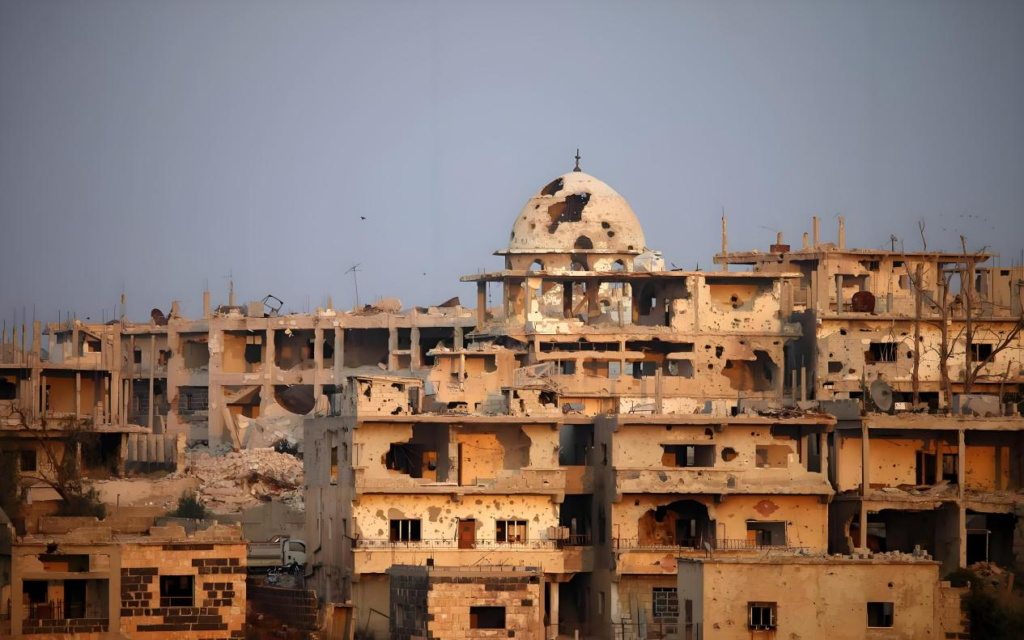
The Middle East geopolitical landscape is standing at a critical turning point in mid-2026. The United States and Iran are nearing the final stage of a historic peace agreement, poised to ease decades-long geopolitical tensions across the Persian Gulf. This landmark deal will reopen blocked cross-border trade routes, stabilize regional energy supply chains, and unlock billions of long-overdue infrastructure, residential and public facility reconstruction projects covering Iran, Iraq, Syria and other Gulf Cooperation Council nations.On the flip side, intermittent cross-border fire between Israel and Lebanon still persists with no immediate ceasefire in sight. Frequent armed conflicts have destroyed massive residential compounds, municipal road networks, commercial buildings and public utility facilities across southern Lebanon. Official Lebanese
economic authorities estimate total reconstruction losses have hit USD 25 billion. Even with ongoing sporadic clashes, international reconstruction funds are being rolled out steadily — including EUR 1.2 billion in post-conflict recovery funding committed by the European Union — creating rigid, urgent demand for full-series construction materials across the Levant region.
For B2B building material exporters worldwide, this two-tier regional market brings differentiated but massive procurement demands: large-scale, long-cycle infrastructure projects in Gulf regions driven by peace dividends, and emergency fast-track rebuilding projects in war-affected Lebanon. In this article, we break down real onsite market needs, customized product standards, buyer pain points and order characteristics for cement, cement additives, structural steel, light steel furrings (light gauge steel furring channels) and ceiling systems, helping global manufacturers capture qualified Middle East bulk orders accurately.
1. Cement: The Most Fundamental Indispensable Material for Regional Post-War & Infrastructure Rebuilding
Market Demand Overview
Cement tops the procurement list for all Middle East reconstruction projects, covering site rubble clearance, municipal road resurfacing, building foundation pouring, bridge rehabilitation and public infrastructure restoration. Following the upcoming US-Iran peace accord, Iran will launch a nationwide massive infrastructure renewal initiative, generating enormous demand for standard ordinary Portland cement for long-term construction works. Meanwhile, Lebanon faces time-sensitive rebuilding tasks for bomb-damaged residential areas and broken urban traffic systems, pushing short-term local cement demand up by 42% year-on-year. Local onsite contractors prioritize stable supply and timely delivery over overly premium grades for emergency jobs.
Core Local Procurement Standards
- Extreme high temperature resistance: Adapt to harsh local summer climates where ambient temperatures often exceed 50°C, preventing concrete surface cracking and structural performance degradation under prolonged high heat;
- Fast-setting cement grade for emergency projects: Widely required in Lebanon’s rapid reconstruction sites to shorten overall construction periods amid unstable onsite security conditions;
- Cost-effective full-container bulk supply: Large government-led infrastructure projects in Gulf countries prefer FCL bulk cement shipments to cut overall logistics and container loading costs for long-term framework orders.
Key Buyer Pain Points
Local domestic cement plants across the Middle East suffer from aging production lines and insufficient inventory to cope with sudden surges in reconstruction demand. Meanwhile, locally produced cement features inconsistent strength grades and delayed port delivery schedules. Hence, regional importers are actively seeking verified overseas manufacturers with stable third-party quality certifications and flexible bulk shipment solutions for long-term cooperation.
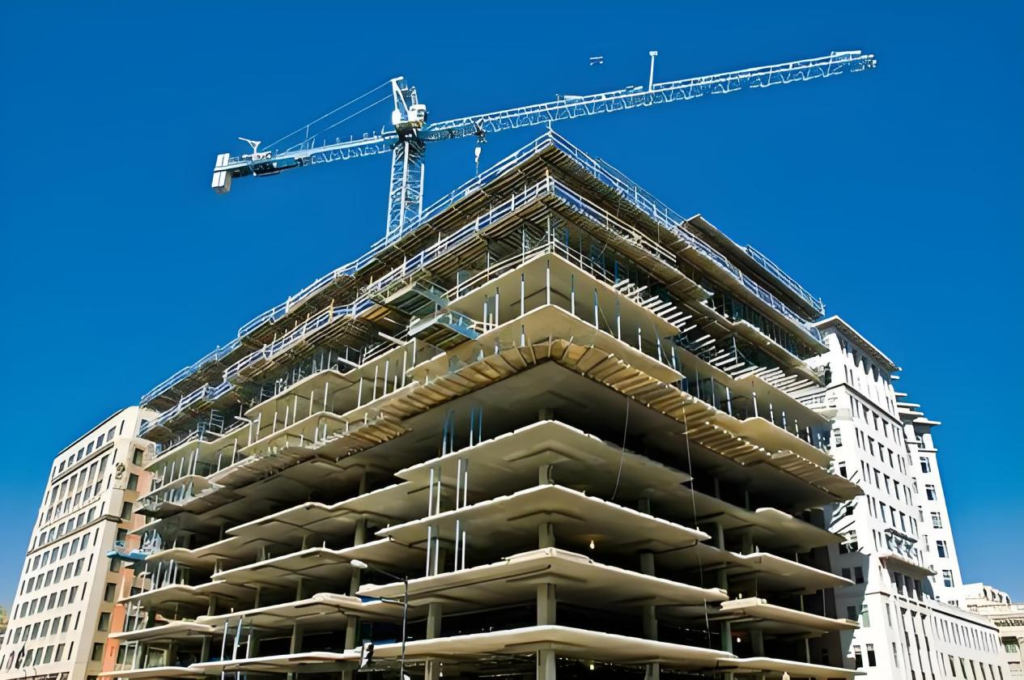
2. Cement Additives: Critical Functional Materials to Adapt Cement for Harsh Local Construction Conditions
Bare cement cannot meet the strict durability, rapid construction and anti-cracking requirements for Middle East outdoor construction and post-war emergency projects. As a result, matched cement additives have become mandatory supporting materials, with market demand growth outpacing raw cement throughout 2026.
Top Selling Cement Additives & Practical Onsite Applications
- High-efficiency water reducers: Cut concrete water usage effectively, improve concrete compactness and long-term durability, perfectly matched for high-rise residential buildings and long-distance highway reconstruction;
- Concrete accelerators and fast-setting admixtures: Shorten concrete curing time by nearly 50%, perfectly fitting Lebanon’s tight construction schedules that require quick building reoccupation;
- Heat-resistant and anti-cracking additives: Mitigate concrete structural damage caused by huge day-and-night temperature differences common in desert climates;
- Air-entraining seismic-resistant admixtures: Boost overall seismic performance of concrete structures, a compulsory requirement for reconstructing conflict-damaged buildings to improve structural safety.
Proven Sales Tip for Building Material Exporters
After years of onsite project practice, we find Middle East bulk buyers strongly favor bundled one-stop procurement of cement and matched additives. Suppliers capable of providing customized additive formulas tailored to local climate conditions gain huge competitive edges in government reconstruction project bidding compared with sellers offering single products only.
3. Steel Products: Core Structural Materials for Durable Permanent Infrastructure Restoration
Steel products serve as the structural backbone for all permanent reconstruction works, including building main frames, bridge reinforcement, municipal guardrail installation and industrial plant restoration. Long-term regional conflicts have severely damaged local steel smelting and rolling production lines, leaving a persistent supply gap for medium and high-quality structural steel across the entire Middle East market.
Most In-Demand Steel Grades for Middle East Projects
- Deformed steel rebars: The largest procurement segment, mainly used for building foundation reinforcement and concrete structural support for roads and bridges;
- Hot rolled steel sheets and H-beam structural steels: Prioritized materials for industrial plant reconstruction and large-scale public venue construction;
- Hot-dip galvanized steel coils: Mandatory anti-corrosion steel materials for coastal areas, resisting high humidity and severe salt fog corrosion along Lebanon coastline and Persian Gulf port cities.
Thanks to the US-Iran peace deal, cross-border land logistics corridors between Iran, Iraq and Saudi Arabia will be fully reopened. This will greatly lower overland transportation costs for steel cargoes and bring stable, repeated long-term bulk orders for international steel exporters.
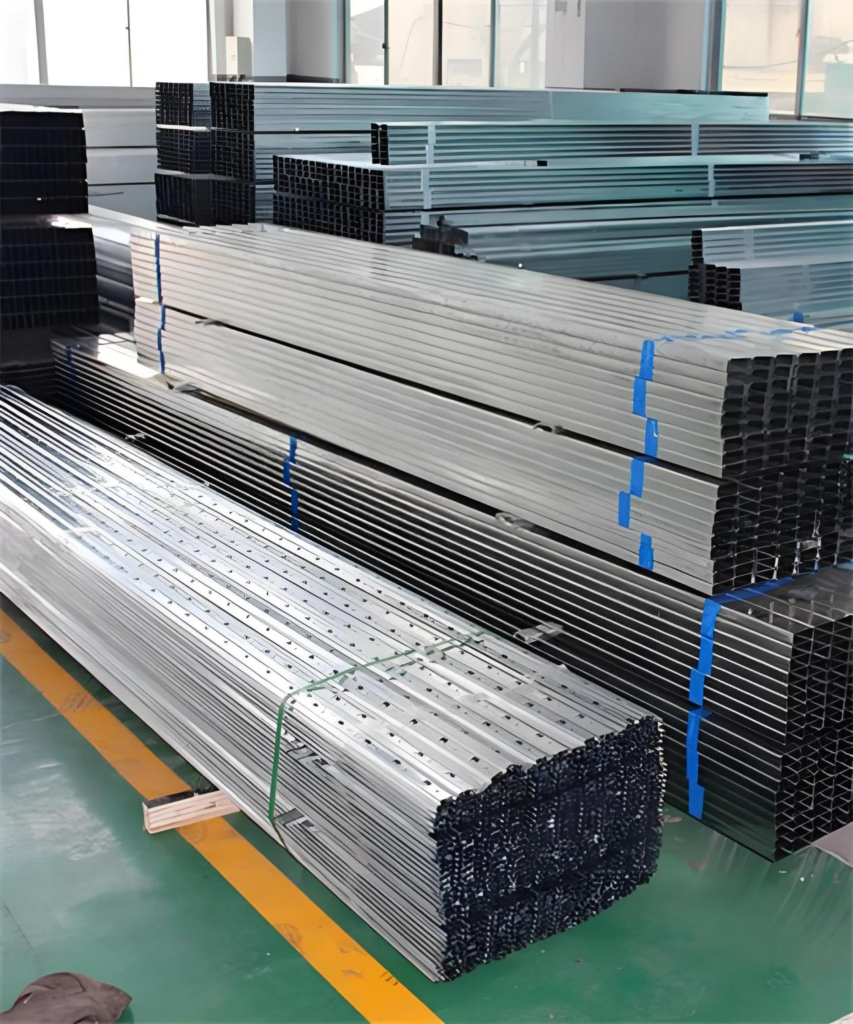
4. Light steel furrings (Light Gauge Steel Furring): Ideal Dry-Fitting Solution for Fast Interior Renovation
Most conflict-damaged buildings in Lebanon and Syria retain intact main concrete and steel structures, while internal partition walls, indoor decorative frames and ceiling supporting structures are heavily destroyed. Different from slow and labor-intensive traditional brick partition walls, light steel furring drywall systems feature lightweight structure, tool-free quick installation and short construction cycles, making them the top choice for indoor rapid renovation projects.
Customized Local Requirements for Light steel furrings
- Full hot-dip galvanized anti-rust treatment: Resist salt fog corrosion in coastal Lebanon and dry oxidation corrosion in inland desert areas;
- Unified standard dimensional specification: Fully compatible with mainstream local gypsum boards and ceiling panels to reduce onsite secondary cutting and improve installation efficiency;
- Reinforced structural strength: Comply with local Middle East building seismic codes to ensure indoor partition safety for residential and commercial buildings.
Field construction data shows that light steel furring partition systems can cut indoor renovation duration by 60% compared with brick walls, which explains why local contractors massively prioritize this product for urgent post-war building repair projects.
5. Ceiling Panels: Essential Finishing Materials for Completed Building Renovation
After finishing structural reinforcement and indoor partition installation, qualified ceiling panels are indispensable finishing materials for residential apartments, office towers, municipal hospitals and educational facilities. Hospitals and schools are listed as priority public reconstruction projects in both Lebanon and Iran, generating steady bulk demand for various functional ceiling materials.
Three Best-Selling Ceiling Panels for Middle East Markets
- Standard gypsum ceiling boards: Cost-effective, fire-resistant and sound-insulated, occupying 65% of civil residential indoor renovation market share;
- Aluminum integrated ceiling panels: High corrosion resistance and easy daily cleaning, widely adopted in hospitals, shopping malls and high-traffic commercial spaces;
- Mineral wool ceiling panels: Outstanding sound absorption and fireproof performance, the first option for classroom and office building ceiling engineering.
Notably, local Middle East construction authorities enforce strict indoor material safety codes. All imported ceiling panels must provide official fire resistance test reports and formaldehyde-free environmental certificates before customs clearance and onsite usage.
Market Procurement Differences: Gulf Long-Term Projects vs Lebanon Emergency Projects
| Region | Core Demand Feature | Preferred Product Standard | Typical Order Cycle |
| Iran & Gulf States (Post US-Iran Peace Deal) | Large-scale long-term infrastructure construction, stable repeated bulk orders | International certified grade, high durability, long service lifespan | Long-term framework orders: 3-12 months |
| Lebanon | Emergency post-war reconstruction, strict lead time requirements | Easy installation, fast construction, cost-effective grade | Urgent short-term bulk orders: 1-4 weeks |
Conclusion: Seize the Golden 2026-2027 Middle East Reconstruction Export Window
The upcoming US-Iran peace agreement will bring sustained macro stability to the whole Middle East region, while Lebanon’s post-conflict reconstruction demand will keep surging in the short run. From basic raw construction materials including cement and cement additives, to structural steel products, and indoor decorative materials such as light steel furrings and ceiling panels, the full building material supply chain faces unprecedented export opportunities in the next 18 months.
Local regional manufacturers cannot catch up with the skyrocketing material demand, while local finished building materials come with high pricing and unstable quality. Therefore, verified direct overseas manufacturers with complete certifications and professional Middle East logistics solutions are highly sought after by local importers and project contractors.
Get Your Customized Wholesale Quotation Within 24 Hours
We are a professional direct manufacturer supplying full-series building materials covering cement, customized cement additives, various structural steel products, galvanized light gauge steel furring channels and multi-type ceiling panels. With years of export experience serving Middle East ports and local contractors, we provide complete third-party certifications and one-stop FOB/CIF/DDP logistics solutions adapted to Middle East port clearance rules.
Just send us your required quantity, targeted product specifications and destination port, and you will receive a tailored competitive wholesale quotation within 24 working hours.
About the Author: Collin Zhou, Senior Building Material Foreign Trade Specialist with 12 years of experience serving global procurement managers and Middle East reconstruction contractors. Focused on standardized construction terminology, cross-border procurement communication optimization and Middle East building material market analysis, helping global buyers avoid specification disputes and communication errors when sourcing from Chinese manufacturers.
#MiddleEastReconstruction #BuildingMaterialsExport #CementSupplier #SteelExport #LightSteelFurring #CeilingPanels #B2BConstructionMaterials #MiddleEastImport